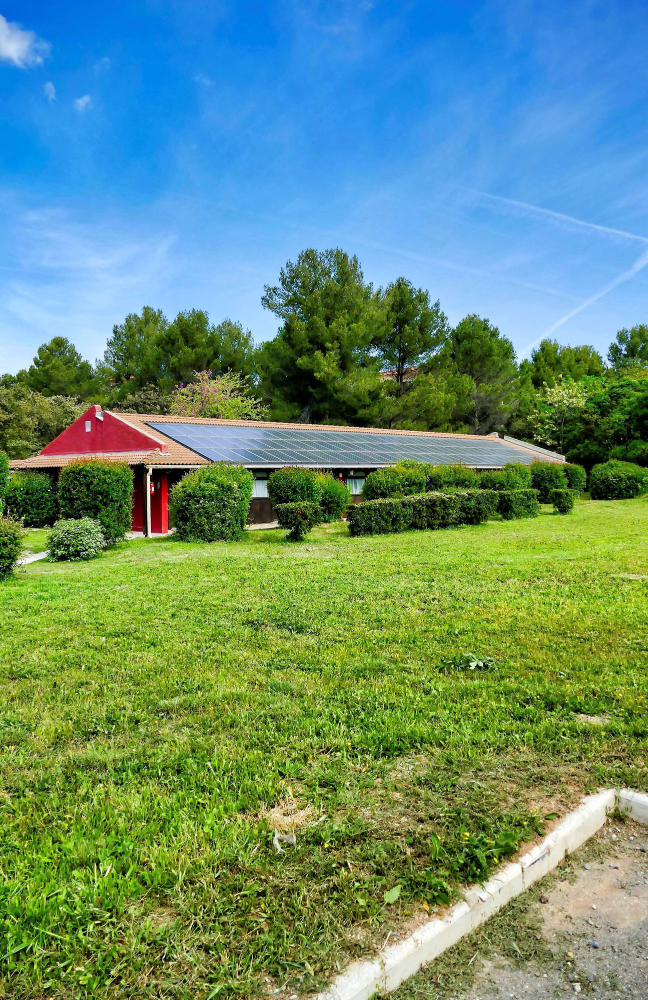
Home solar power systems, also called residential solar energy systems or photovoltaic (PV) systems, are set up to produce electricity from sunlight for household use. These systems usually include solar panels installed on the roof and inverters that change the DC power from the panels into AC power, which can be used by home appliances.
Breakdown of the components
Solar Panels
These panels contain photovoltaic cells that turn sunlight into electricity. They come in different sizes and types, with monocrystalline and polycrystalline being the most commonly used.
Inverters
Solar panels generate direct current (DC) electricity, but most home appliances run on alternating current (AC). Inverters convert DC electricity from the solar panels into AC electricity, making it suitable for household use.
Mounting Systems
Solar panels must be securely attached to either the roof or the ground. The mounting system provides stability and ensures the panels are positioned correctly to capture the most sunlight.
Electrical Wiring and Components
This includes the wiring needed to connect the solar panels to the inverter, along with essential components like disconnect switches and meters to ensure the system runs smoothly.